What casting directors actually look for in an actor's headshot
Your headshot is your calling card. Before a casting director ever sees you walk through the door, they've already made a decision based on a small, 2x3-inch image. Getting it right is one of the most important investments you'll make in your acting career.
Here's what industry professionals actually look for - and how to make sure your headshot works for you, not against you.
Connection, not perfection
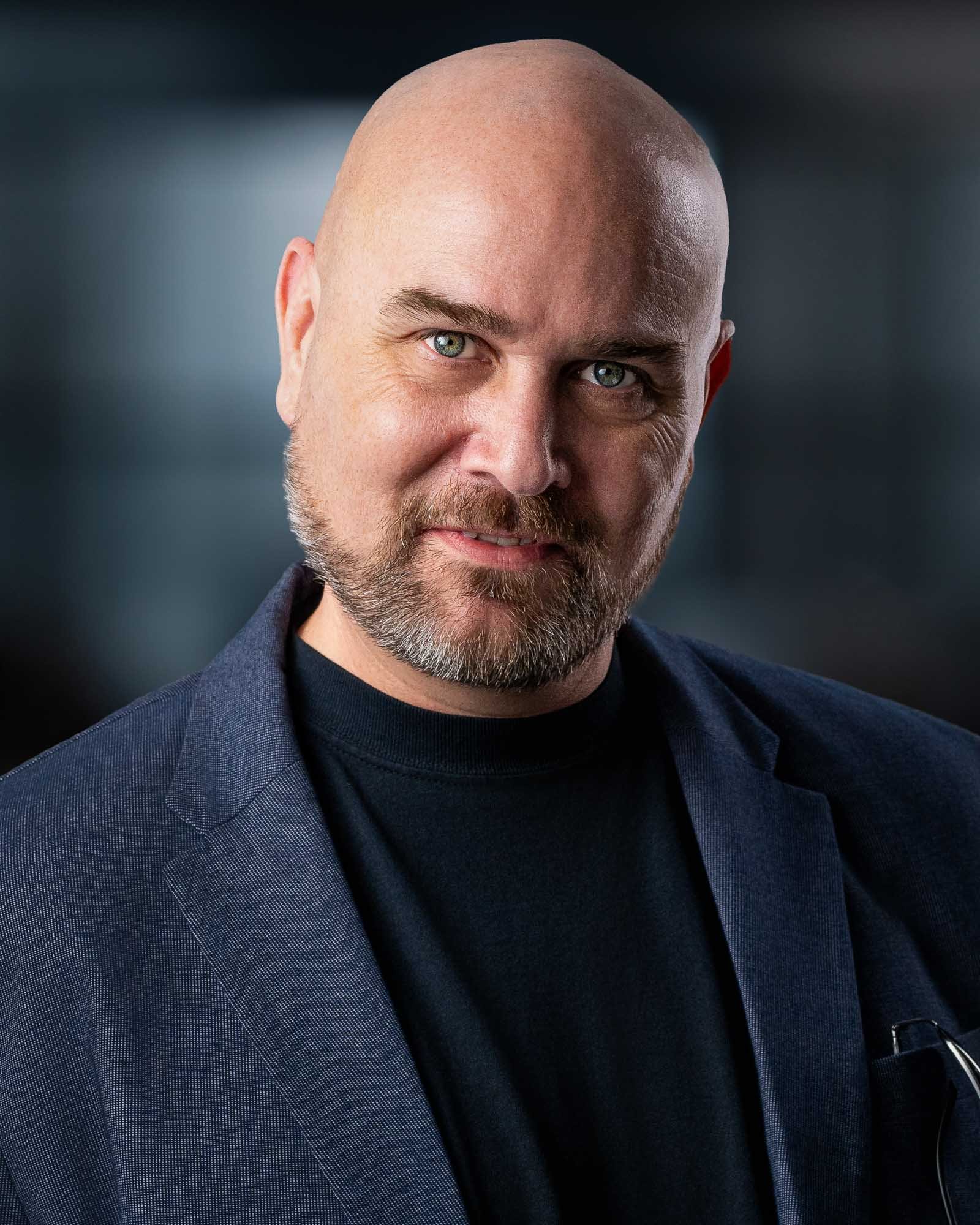
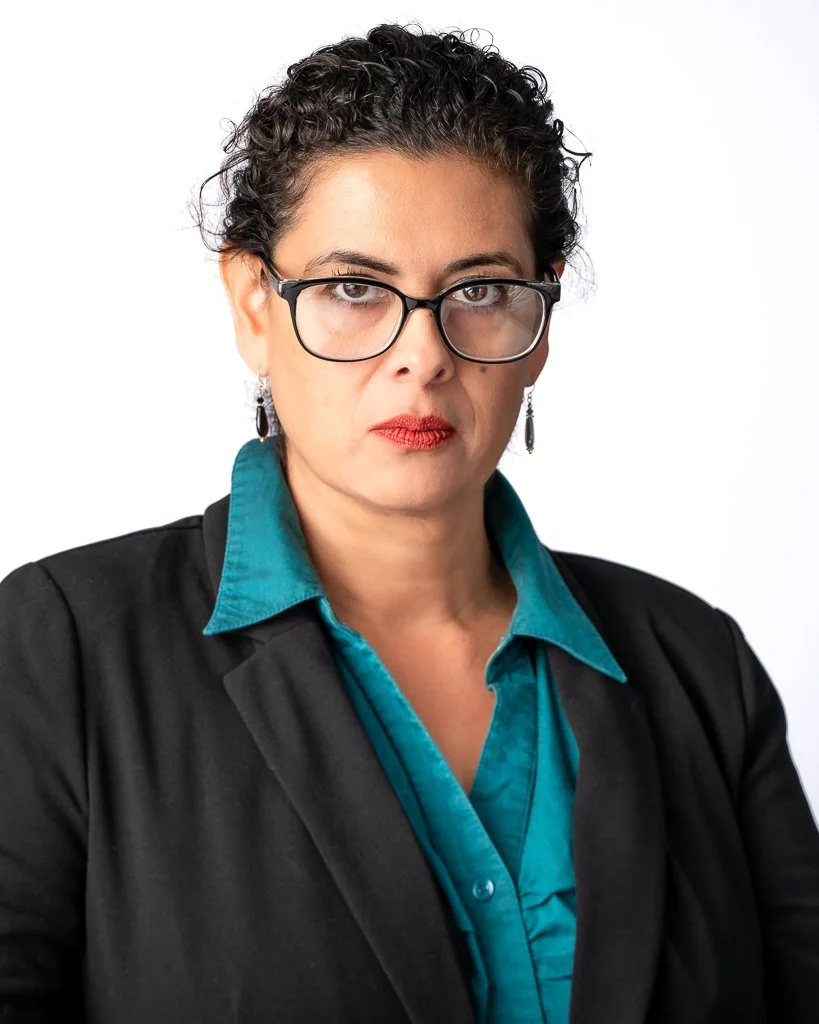
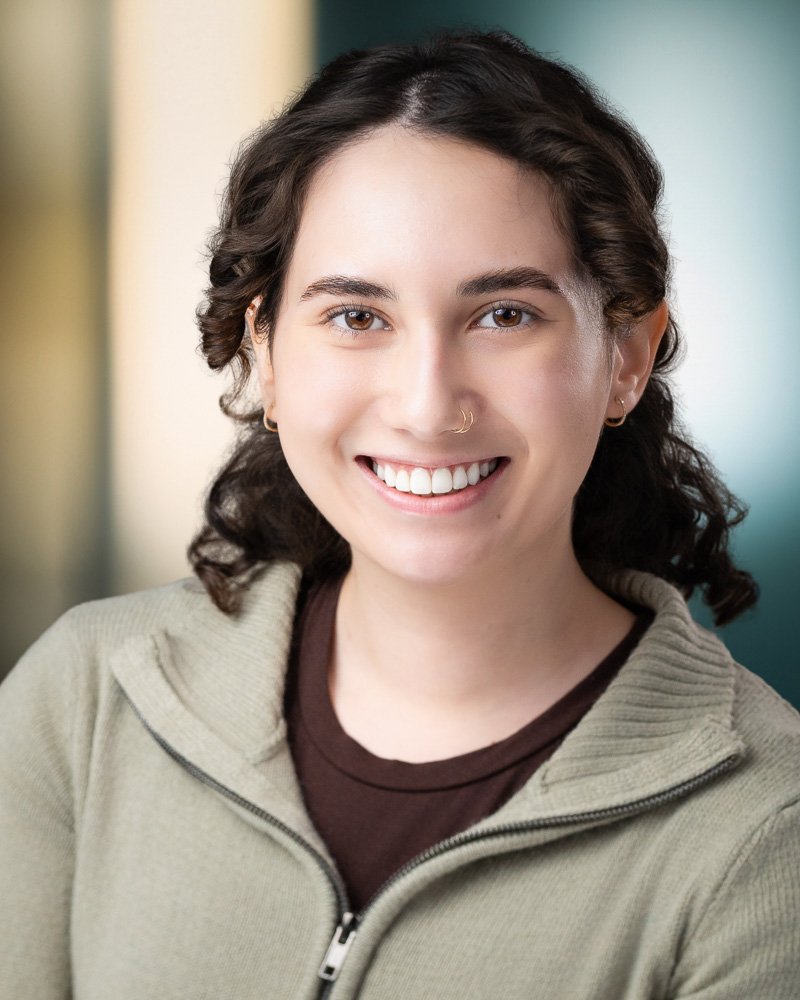
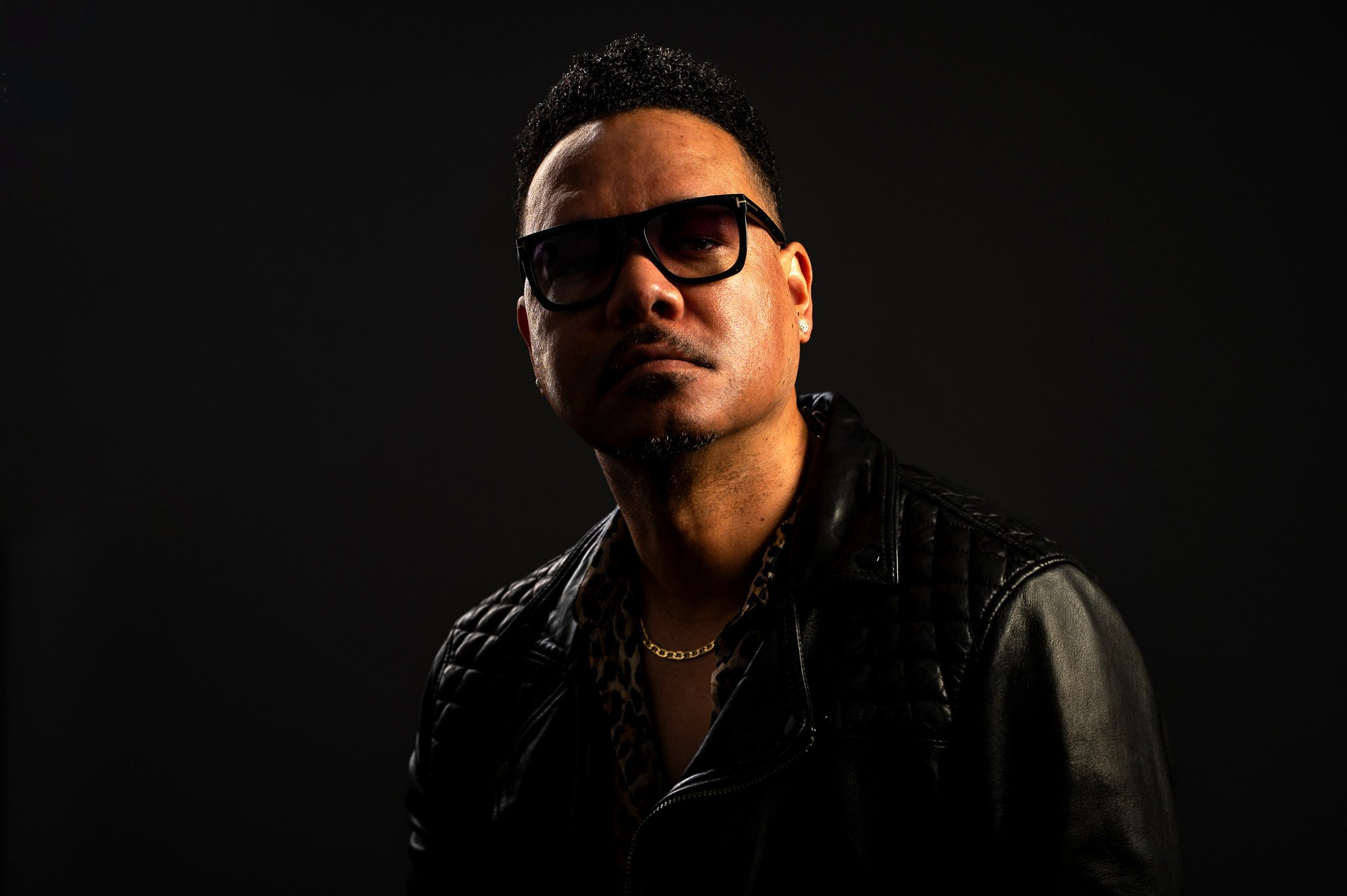
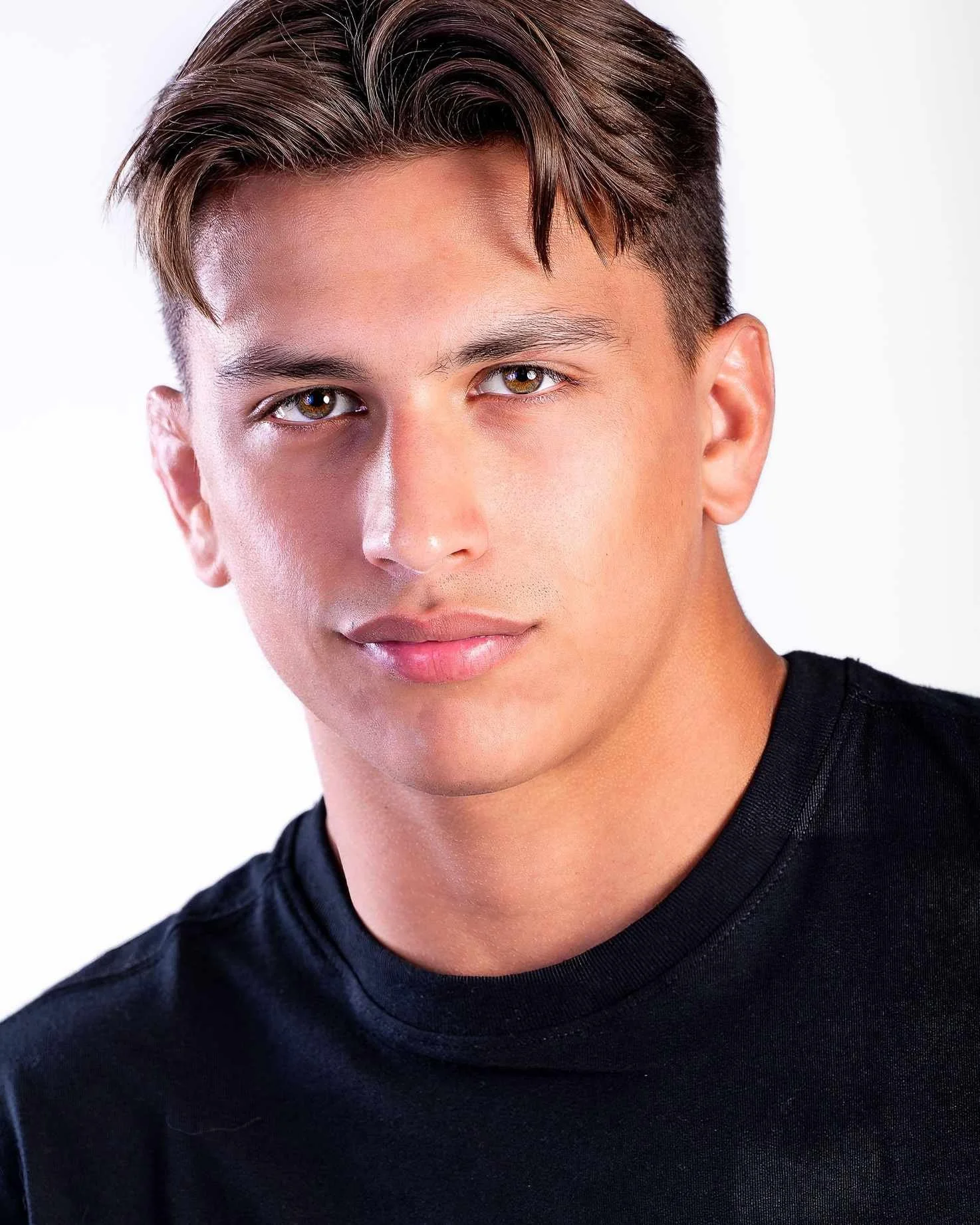
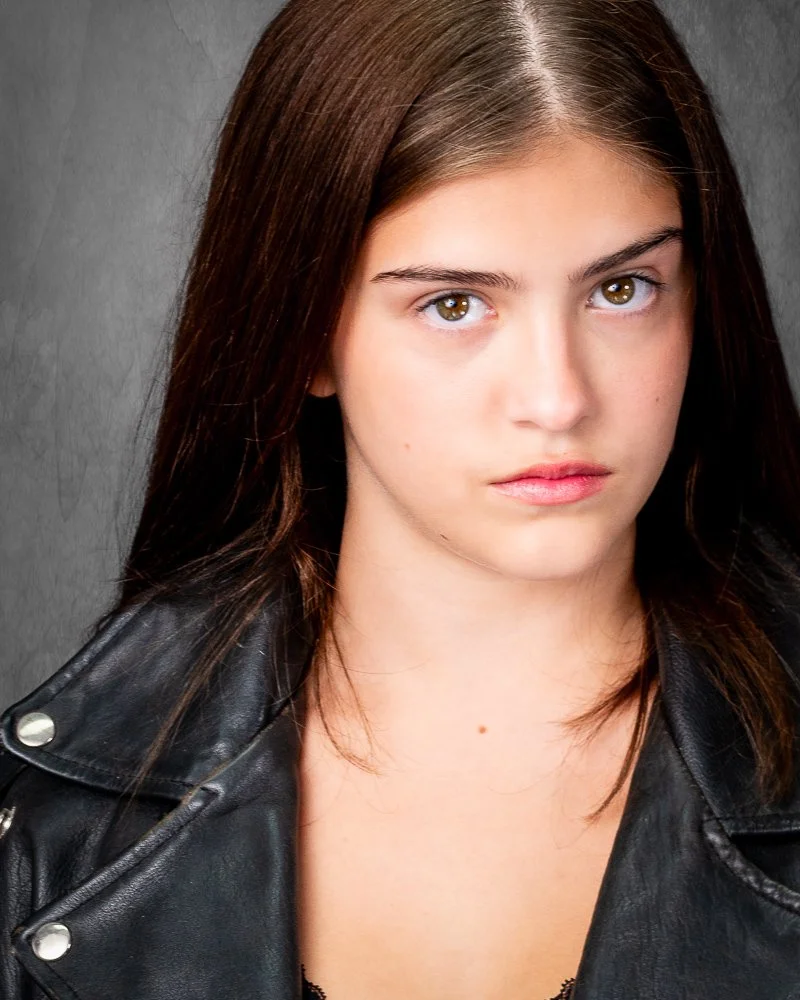
The number one thing casting directors say they look for is connection. Not perfect lighting. Not flawless skin. Not a glamorous pose. They want to feel like they know something about you from the photo - your energy, your type, what roles you might portray.
This means the expression is everything. A blank, posed smile doesn't tell a casting director anything. But a genuine, specific expression (curious, warm, guarded, playful) tells them exactly who you could play.
Know your type (and play to it)
Actors often struggle with this because they don't want to be "typecast." But a headshot isn't about limiting yourself - it's about marketing yourself clearly. You likely have a range of types you can authentically play. A great headshot session produces multiple looks that cover that range.
Come prepared to discuss your type with your photographer. Are you the approachable neighbor or the sharp executive? The quirky best friend or the brooding lead? Your photographer should help you think through this before the session begins.
Wardrobe: what to wear (and what to avoid)
• Solid, medium-toned colors photograph best - avoid white, neon, and busy patterns
• Dress for the roles you want: business casual for corporate/drama, casual for comedy and everyday roles
• Bring multiple outfit options and let your photographer help you choose on the day
• Necklines matter: V-necks and scoop necks frame the face well; turtlenecks can shorten the neck
Retouching: less is more
Heavy retouching is one of the most common mistakes actors make with their headshots. Casting directors will call it out immediately - and it damages your credibility. If you walk into an audition looking noticeably different from your headshot, you've started on the wrong foot.
The goal of retouching is to look like the best version of yourself - not a filtered version of yourself. Temporary blemishes? Yes. Wrinkles, freckles, character lines? Leave them. They're part of your look.
Current vs. outdated
Actors are notorious for holding onto headshots far too long. If your hair is different, your weight has changed significantly, or your headshot is more than 2 years old, it's time to reshoot. Nothing is more frustrating to a casting director than calling someone in based on a photo and meeting someone who looks completely different.
At Droke Photography's Corona studio, we work with actors Inland Empire area to create headshots that actually book auditions. We understand the casting landscape and help you make choices that help serve your career.
Ready to update your actor's headshot? Book a creative session at Droke Photography.